

Are there magnetic screws? This is a question that I, as a screw supplier, often encounter from clients and industry enthusiasts. In this blog post, I'll delve into the world of magnetic screws, exploring their existence, properties, applications, and more.
The Existence of Magnetic Screws
First and foremost, yes, there are magnetic screws. The concept might seem straightforward, but the technology and manufacturing behind magnetic screws are quite fascinating. Magnetic screws are essentially screws made from magnetic materials or those that have been magnetized through specific processes.
The most common materials used to make magnetic screws are ferromagnetic materials such as iron, nickel, and cobalt, or alloys containing these elements. For example, stainless steel grades like 410 and 430 are ferromagnetic and can be used to produce magnetic screws. These materials have a high magnetic permeability, which means they can be easily magnetized and can attract other magnetic objects.
How Magnetic Screws are Made
There are two main ways to create magnetic screws. The first is by using magnetic materials during the manufacturing process. When the screw is forged or machined from a ferromagnetic material, it will inherently possess magnetic properties. The second method is through magnetization after the screw has been manufactured. This can be achieved using an Induction Quenching Machine Tool.
Induction quenching is a heat treatment process that involves heating the screw to a specific temperature using an induced electrical current and then rapidly cooling it. This process not only hardens the screw but can also be used to magnetize it if the screw is made of a ferromagnetic material. The Induction Quenching Machine Tool provides a precise and efficient way to control the magnetization process, ensuring that the screw has the desired magnetic strength.
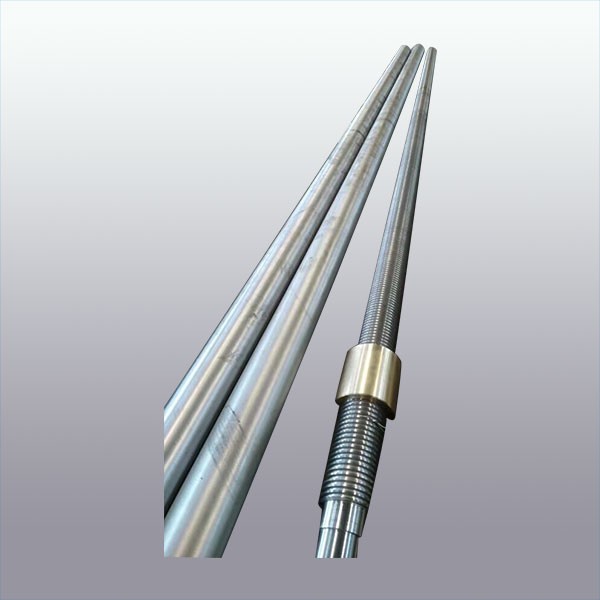
Properties of Magnetic Screws
Magnetic screws have several unique properties that set them apart from non - magnetic screws. One of the most obvious properties is their ability to attract magnetic objects. This can be extremely useful in various applications where the screw needs to hold or secure magnetic components.
Another property is their resistance to demagnetization. High - quality magnetic screws are designed to maintain their magnetic strength over time, even under harsh environmental conditions. This is achieved through careful selection of materials and advanced manufacturing processes.
Applications of Magnetic Screws
The applications of magnetic screws are diverse and span across multiple industries.
Electronics Industry
In the electronics industry, magnetic screws are used to secure components such as hard drives, speakers, and motors. The magnetic force helps to keep the components firmly in place, reducing the risk of vibration - induced damage. For example, in a hard drive, magnetic screws can hold the read - write heads and other internal components securely, ensuring stable operation.
Automotive Industry
In the automotive industry, magnetic screws are used in various parts of the vehicle, including the engine, transmission, and electrical systems. They can be used to secure sensors, connectors, and other components. The magnetic property of the screws helps to prevent them from loosening due to vibrations during the vehicle's operation.
Furniture and Construction
In furniture and construction, magnetic screws can be used to assemble and disassemble furniture more easily. They can also be used in modular construction, where components need to be quickly and securely connected. For example, in a modular office partition system, magnetic screws can be used to attach panels together, allowing for easy reconfiguration.
Advantages of Using Magnetic Screws
There are several advantages to using magnetic screws.
Ease of Installation
One of the biggest advantages is the ease of installation. Since magnetic screws can attract magnetic objects, they can be easily positioned and held in place during the installation process. This can save time and effort, especially in applications where a large number of screws need to be installed.
Enhanced Security
Magnetic screws provide enhanced security compared to non - magnetic screws. The magnetic force helps to keep the screw in place, reducing the risk of it loosening due to vibrations or other external factors. This is particularly important in applications where safety is a concern, such as in the aerospace and automotive industries.
Improved Component Alignment
In applications where precise component alignment is required, magnetic screws can be very useful. The magnetic force can help to align the components correctly, ensuring a proper fit and reducing the risk of misalignment - related issues.
Challenges and Considerations
While magnetic screws offer many advantages, there are also some challenges and considerations to keep in mind.
Magnetic Interference
One of the main challenges is magnetic interference. In some applications, such as in sensitive electronic equipment, the magnetic field generated by the screws can interfere with the operation of other components. This needs to be carefully considered during the design and selection process.
Cost
Magnetic screws can be more expensive than non - magnetic screws. The cost is mainly due to the use of magnetic materials and the additional manufacturing processes required to magnetize the screws. However, in many applications, the benefits of using magnetic screws outweigh the additional cost.
Conclusion
In conclusion, magnetic screws do exist, and they offer a range of unique properties and advantages that make them suitable for various applications. As a screw supplier, I have seen firsthand the growing demand for magnetic screws in different industries. Whether it's for electronics, automotive, or furniture applications, magnetic screws can provide a reliable and efficient solution.
If you are interested in learning more about magnetic screws or are considering using them in your next project, I encourage you to reach out for a procurement discussion. We can provide you with detailed information about our products, including the materials used, manufacturing processes, and pricing. Let's work together to find the best screw solution for your needs.
References
- "Magnetic Materials and Their Applications" by Richard M. Bozorth
- "Handbook of Screw Technology" by John H. Bickford
- "Induction Heating Handbook" by Avram I. Kalinin