

Hey there! I'm a screw supplier, and I often get asked, "Can I make my own screws?" Well, let's dive right into this question and explore the ins and outs of screw - making.
First off, making your own screws isn't an impossible task, but it's definitely not a walk in the park either. There are a few things you need to consider before you roll up your sleeves and start the process.
The Basics of Screw Production
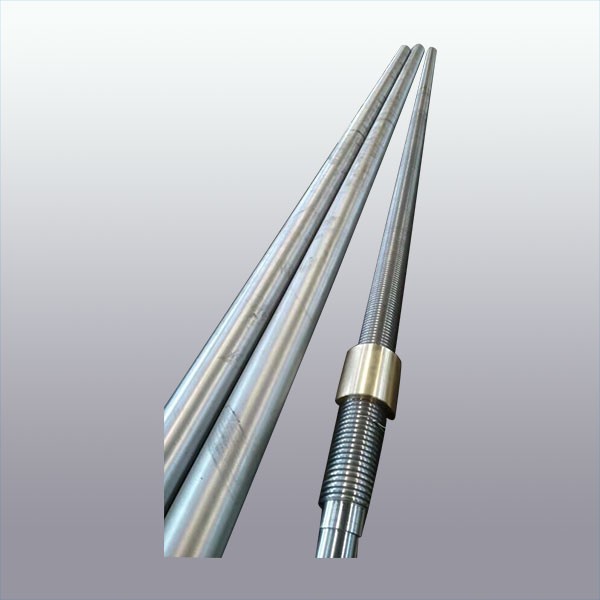
Screws are simple yet crucial fasteners used in countless applications, from furniture assembly to high - tech machinery. The basic components of a screw include the head, the shank, and the threads. Each part serves a specific purpose. The head provides a surface for tools to grip and turn the screw, the shank is the main body, and the threads are what allow the screw to bite into the material and hold things together.
Materials
The choice of material is super important. Common materials for screws include steel, stainless steel, brass, and aluminum. Steel is strong and affordable, making it a popular choice for general - purpose screws. Stainless steel is resistant to corrosion, which is great for outdoor or wet environments. Brass is known for its good conductivity and aesthetic appeal, often used in electrical and decorative applications. Aluminum is lightweight, which is useful in aerospace and automotive industries.
If you're making your own screws, you'll need to source high - quality raw materials. You can find metal rods or wire at your local hardware store or from industrial suppliers. Make sure the material has the right properties for your intended use.
Tools and Equipment
To make screws, you'll need some specialized tools and equipment. One of the key machines in screw production is the threading machine. This machine cuts or forms the threads on the screw shank. There are different types of threading machines, such as single - point threading lathes and multi - die threading machines. Single - point threading lathes are more suitable for small - scale production or custom - made screws, while multi - die threading machines are used for high - volume production.
Another important piece of equipment is the heading machine. This machine forms the screw head. It can create different head shapes, like flat heads, round heads, or pan heads.
And let's not forget about the Induction Quenching Machine Tool. This tool is used to heat - treat the screws to improve their hardness and strength. After the screws are formed, they can be put through an induction quenching process to make them more durable.
The Screw - Making Process
Cutting the Blank
The first step in making a screw is to cut a blank from the metal rod or wire. The length of the blank will depend on the desired length of the screw. You can use a saw or a cutting machine to make this cut. Make sure the cut is clean and straight to ensure the quality of the final screw.
Forming the Head
Once you have the blank, it's time to form the head. The heading machine takes the blank and presses it into the desired head shape. This process usually involves applying high pressure to deform the metal. The heading machine has different dies for different head shapes, so you can choose the one that suits your needs.
Threading
After the head is formed, it's time to add the threads. As mentioned earlier, you can use a threading machine for this. The threading process can be either cutting or rolling. Cutting threads involves removing material from the shank to create the thread profile, while rolling threads deforms the metal to form the threads. Rolling threads are generally stronger and more precise than cut threads.
Heat Treatment
After the threading process, the screws may need to be heat - treated. This is where the induction quenching machine tool comes in handy. The induction quenching process heats the screws rapidly and then cools them quickly, which changes the internal structure of the metal and makes it harder. This step is crucial for screws that will be used in high - stress applications.
Finishing
Once the screws are heat - treated, they may need some finishing touches. You can deburr the screws to remove any sharp edges or rough spots. You can also apply a coating to the screws to protect them from corrosion or to improve their appearance. Common coatings include zinc plating, chrome plating, and powder coating.
Challenges of Making Your Own Screws
While it's possible to make your own screws, there are some challenges you'll face.
Quality Control
Maintaining consistent quality can be difficult when making your own screws. The size, shape, and strength of the screws need to meet certain standards. If the threads are not cut correctly or the heat treatment is not done properly, the screws may not work as intended. This can lead to problems like loose connections or even screw failure.
Cost
Setting up a screw - making operation can be expensive. You need to invest in tools and equipment, and the cost of raw materials can add up. If you're only making a small number of screws, it may be more cost - effective to buy them from a supplier like me.
Time and Skill
Making screws takes time and skill. Learning how to operate the machines and get the right results can be a steep learning curve. You need to have a good understanding of metalworking and machining processes. And if you make a mistake, you may have to start over from scratch.
Why Buying from a Supplier is a Good Idea
As a screw supplier, I can offer several advantages over making your own screws.
Quality Assurance
I have strict quality control measures in place. My screws are made using high - quality materials and state - of - the - art equipment. I test each batch of screws to ensure they meet industry standards. This means you can be confident that the screws you get from me will work as expected.
Cost - Effectiveness
Buying screws from me is often more cost - effective than making them yourself. I can take advantage of economies of scale, which means I can produce screws at a lower cost per unit. And I don't have to charge you for the cost of buying and maintaining expensive equipment.
Variety
I offer a wide variety of screws. You can choose from different sizes, materials, head shapes, and thread types. Whether you need a small, specialized screw for a delicate electronic device or a large, heavy - duty screw for construction, I've got you covered.
Technical Support
If you have any questions about which screw to use for your project, I can provide you with technical support. I have a team of experts who can help you select the right screw based on your specific requirements.
Conclusion
So, can you make your own screws? Yes, you can. But it's a complex process that requires a lot of time, money, and skill. If you're a DIY enthusiast and want to try making a few screws for a small project, go ahead and give it a shot. But for most applications, it's a lot easier and more cost - effective to buy screws from a reliable supplier like me.
If you're in the market for high - quality screws, I'd love to have a chat with you. Whether you're a contractor, a manufacturer, or just someone looking for the right screw for a home project, I can provide you with the best products and services. Don't hesitate to reach out and start a procurement discussion.
References
- ASM Handbook Volume 2: Properties and Selection: Nonferrous Alloys and Special - Purpose Materials. ASM International.
- Machinery's Handbook, 31st Edition. Industrial Press.
- Metalworking for Dummies. Wiley Publishing.