

Hey there! As a screw supplier, I've seen firsthand how the pitch of a screw can make or break its performance in different applications. Today, I'm gonna dive deep into how the pitch of a screw affects its use.
Let's start with the basics. What exactly is the pitch of a screw? Well, the pitch is the distance between adjacent threads on a screw. It's a crucial factor because it determines how far the screw will move into a material with each full rotation.
One of the most obvious ways pitch affects a screw's use is in terms of speed and efficiency. A screw with a larger pitch will move into a material more quickly than one with a smaller pitch. Think about it like this: if you're building a big piece of furniture and you need to drive in a whole bunch of screws, a screw with a large pitch can save you a ton of time. You'll be able to get the job done faster because each turn of the screwdriver moves the screw further into the wood or whatever material you're using.
On the other hand, a screw with a small pitch is great for applications where precision is key. For example, when you're working on a delicate electronic device, you don't want the screw to go in too fast and damage the components. A small - pitched screw allows you to have more control over how far it goes with each turn. You can slowly and carefully thread it into place, ensuring a perfect fit without any risk of over - tightening or causing damage.
The pitch also plays a role in the holding power of a screw. A screw with a smaller pitch generally has better holding power. The smaller distance between the threads means that there's more contact area between the screw and the material it's being driven into. This increased contact creates more friction, which helps the screw stay in place. So, if you're working on something that needs to be really secure, like a load - bearing structure or a piece of machinery that will be under a lot of stress, a small - pitched screw is often the way to go.
Conversely, a large - pitched screw might not have as much holding power. But that doesn't mean it's useless. In some cases, you might not need a super - strong hold. For instance, if you're just putting up a lightweight picture frame on a wall, a large - pitched screw can get the job done quickly and easily, and the lower holding power isn't a big deal.
Another aspect to consider is the type of material the screw is being used with. Different materials have different properties, and the pitch needs to be chosen accordingly. Soft materials like wood or plastic are more forgiving. You can often use screws with a wider range of pitches. A large - pitched screw can quickly drive into soft wood, while a small - pitched screw can provide a more secure hold if needed.
However, when it comes to hard materials like metal, the pitch selection becomes more critical. Metal is much denser and more resistant to the screw's movement. A screw with a very large pitch might not be able to cut through the metal effectively, and you could end up stripping the threads or damaging the screw. In this case, a smaller - pitched screw is usually a better choice. It can gradually cut into the metal, creating a proper thread and a strong connection.
Now, let's talk about how the pitch affects the installation process. A large - pitched screw requires less torque to drive in. Since it moves further with each turn, you don't have to apply as much force to get it into the material. This can be a real advantage, especially if you're using a manual screwdriver. It means less effort on your part, and you can get the job done with less fatigue.
On the other hand, a small - pitched screw needs more torque. The closer - spaced threads mean that the screw has to work harder to cut through the material. This might require the use of a power tool, like an electric screwdriver, to provide enough force to drive the screw in properly.
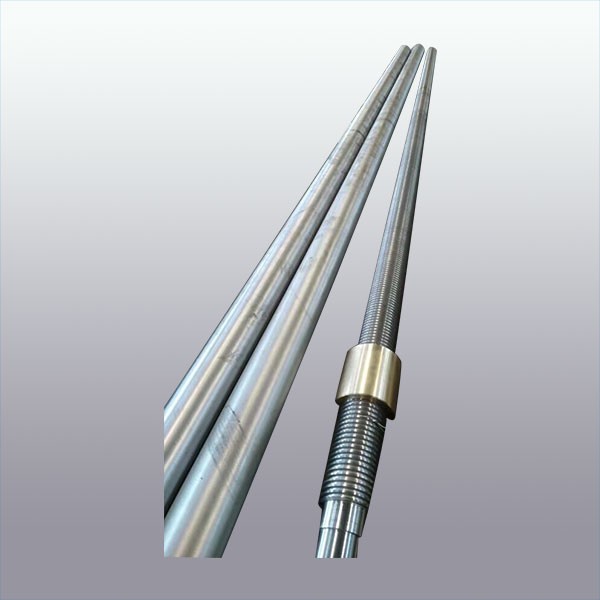
If you're in the market for high - quality screws, we've got you covered. And if you're interested in some advanced tools for screw manufacturing, check out our Induction Quenching Machine Tool. This machine can significantly improve the quality and durability of your screws.
Whether you're a DIY enthusiast or a professional in the construction or manufacturing industry, understanding how the pitch of a screw affects its use is essential. It can help you choose the right screw for the job, saving you time, money, and headaches.
So, if you're looking to purchase screws for your next project, don't hesitate to reach out. We're here to help you find the perfect screws with the right pitch for your specific needs. Whether it's a large - pitched screw for a quick installation or a small - pitched screw for a secure hold, we've got a wide range of options to choose from. Contact us today to start the procurement negotiation process, and let's get your project off to a great start!
References:
- Engineering Handbook on Fasteners
- Textbook on Material Science and Screw Applications