

When delving into the automotive industry, one might not immediately think about the humble screw. Yet, screws are integral components that hold a car together, playing a crucial role in its structural integrity and functionality. As a screw supplier, I've often been asked the question: "How many screws are used in an average car?" In this blog post, I'll explore this topic in detail, shedding light on the significance of screws in the automotive world.
The Ubiquity of Screws in Cars
Screws are everywhere in a car, from the engine compartment to the interior cabin. They are used to assemble various components, such as the engine block, transmission, suspension, and body panels. Each part of the car requires a specific type of screw, designed to withstand different levels of stress, vibration, and corrosion.
In the engine, for example, high-strength screws are used to secure the cylinder head to the engine block. These screws must be able to withstand the extreme temperatures and pressures generated by the combustion process. In the suspension system, screws are used to attach the shock absorbers, control arms, and other components. These screws need to be durable and resistant to wear and tear, as they are constantly subjected to the forces of the road.
Estimating the Number of Screws
Determining the exact number of screws in an average car is a challenging task, as it depends on several factors, including the make, model, and size of the vehicle. However, industry experts estimate that a typical passenger car can contain anywhere from 3,000 to 5,000 screws. This number can vary significantly depending on the complexity of the car's design and the number of additional features it has.
For instance, a luxury car with advanced electronic systems and high-end interior components may require more screws than a basic economy car. Similarly, a larger vehicle, such as an SUV or a truck, may use more screws due to its larger size and heavier weight.
Types of Screws Used in Cars
There are several types of screws used in cars, each with its own unique properties and applications. Some of the most common types of screws include:
- Machine Screws: These are the most basic type of screws, used to fasten two or more parts together. They are typically made of steel or stainless steel and come in a variety of sizes and thread pitches.
- Self-Tapping Screws: These screws are designed to create their own threads as they are driven into a material. They are commonly used in plastic and sheet metal applications, where pre-drilling is not required.
- Bolts: Bolts are similar to machine screws, but they are typically larger and stronger. They are used to fasten two or more parts together, often with the help of a nut.
- Nuts: Nuts are used in conjunction with bolts to secure two or more parts together. They come in a variety of shapes and sizes, including hexagonal, square, and wing nuts.
The Importance of Quality Screws
In the automotive industry, the quality of the screws used is of utmost importance. A single faulty screw can cause a component to fail, leading to serious safety issues. That's why it's essential to use high-quality screws that are designed to meet the specific requirements of the automotive application.
As a screw supplier, we understand the importance of quality and reliability. That's why we offer a wide range of screws that are made from the highest quality materials and manufactured to the strictest industry standards. Our screws are tested and certified to ensure that they meet or exceed the requirements of the automotive industry.
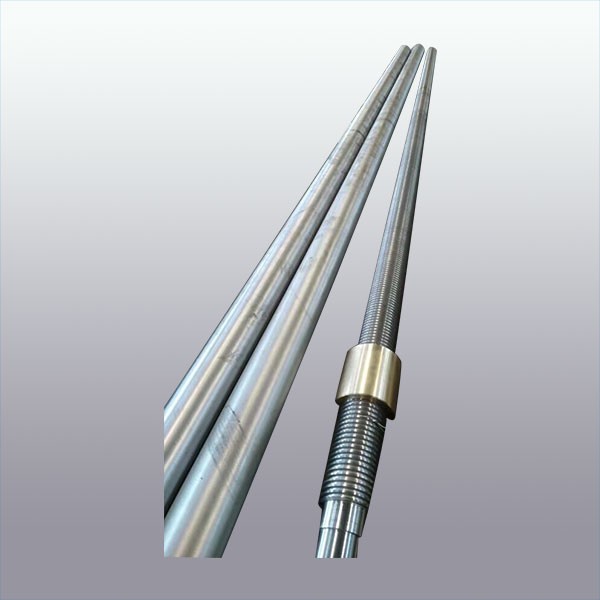
Induction Quenching Machine Tool
One of the key processes in manufacturing high-quality screws is induction quenching. Induction quenching is a heat treatment process that involves heating the screw to a specific temperature and then rapidly cooling it. This process improves the hardness and strength of the screw, making it more resistant to wear and tear.
If you're interested in learning more about induction quenching and how it can improve the quality of your screws, I recommend checking out our Induction Quenching Machine Tool. This state-of-the-art machine tool is designed to provide precise and consistent induction quenching results, ensuring that your screws meet the highest quality standards.
Conclusion
In conclusion, screws are an essential component of any car, playing a crucial role in its structural integrity and functionality. While the exact number of screws used in an average car can vary depending on several factors, industry experts estimate that a typical passenger car can contain anywhere from 3,000 to 5,000 screws.
As a screw supplier, we are committed to providing our customers with the highest quality screws that are designed to meet the specific requirements of the automotive industry. If you're in the market for high-quality screws for your automotive application, we invite you to contact us to discuss your needs. Our team of experts will be happy to assist you in finding the right screws for your project.
References
- Automotive Industry Handbook
- Screw Manufacturing Standards
- Induction Quenching Technology Guide