

Hey there! As a marine coupling supplier, I often get asked, "How much does a marine coupling cost?" Well, it's not a one - size - fits - all answer, and there are a bunch of factors that come into play. Let's dive right in and break it down.
First off, the type of marine coupling matters a whole lot. There are flexible couplings, rigid couplings, and fluid couplings, each with its own price range. Flexible couplings are designed to handle misalignment and vibration. They're pretty popular because they can protect other parts of the marine system from damage. But they usually cost more than rigid couplings. Rigid couplings, on the other hand, are simpler in design. They're used when precise alignment is possible and there's not much need to deal with misalignment. Because of their simplicity, they're generally cheaper.
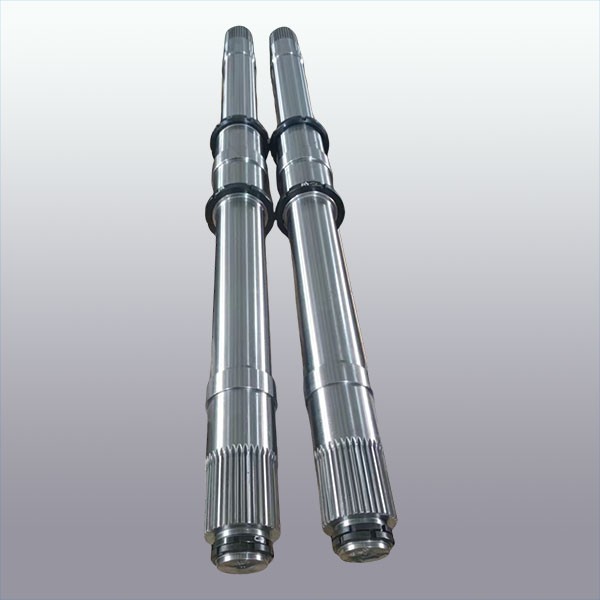

Fluid couplings work by using a fluid to transfer power. They're great for applications where you need smooth starts and overload protection. But the technology involved in fluid couplings makes them more expensive compared to the other two types.
The size of the coupling is another major factor. Just like with most things, bigger usually means more expensive. A larger marine coupling needs more materials to manufacture. More materials mean higher costs for raw materials, as well as more labor and time to build. For example, a small coupling for a small boat's engine might cost a few hundred bucks. But a massive coupling for a large commercial ship's propulsion system could cost thousands or even tens of thousands of dollars.
The material used to make the coupling also affects the price. Common materials include steel, stainless steel, and aluminum. Steel is the most widely used because it's strong and relatively inexpensive. Stainless steel, on the other hand, is corrosion - resistant, which makes it a great choice for marine environments. But it costs more than regular steel. Aluminum is lightweight and has good corrosion resistance, but it might not be as strong as steel in some heavy - duty applications. So, if you choose a coupling made of stainless steel or aluminum, you can expect to pay more than one made of regular steel.
The brand and quality of the coupling are also important. Well - known brands often charge a premium for their products. They've built a reputation for quality, reliability, and good customer service. You're not just paying for the coupling itself; you're also paying for the peace of mind that comes with buying from a trusted brand. A high - quality coupling might cost more upfront, but it can save you money in the long run by reducing maintenance costs and downtime.
Now, let's talk about some related products. If you're in the marine industry, you might also be interested in products like the Anchor Hinge Shaft, Wind Turbine Main Shaft, and Marine Intermediate Shaft. These shafts work hand - in - hand with marine couplings in various marine systems.
So, how can you get an accurate price for a marine coupling? The best way is to get in touch with a supplier. As a supplier myself, I can tell you that we're always happy to give you a quote based on your specific requirements. Just let us know what type of coupling you need, the size, the material, and any other special features you want. We'll do our best to come up with a price that works for you.
When you're comparing prices from different suppliers, don't just go for the cheapest option. Remember, quality matters. A cheap coupling might break down quickly, leading to costly repairs and downtime. It's better to invest in a good - quality coupling that will last.
If you're in the market for a marine coupling, I'd love to have a chat with you. Whether you're building a new boat, upgrading an existing one, or need a replacement coupling, I can help you find the right product at the right price. Just reach out, and we can start discussing your needs. We've got a wide range of couplings in stock, and we can also custom - make a coupling if that's what you need.
In conclusion, the cost of a marine coupling can vary widely depending on the type, size, material, brand, and quality. It's not possible to give a single price, but by understanding these factors, you can make a more informed decision when buying a coupling. And if you have any questions or need a quote, don't hesitate to contact me. Let's work together to find the perfect marine coupling for your needs.
References
- Marine Coupling Industry Reports
- Manufacturer's Product Catalogs