

Yo, fellow marine enthusiasts! I'm a supplier in the marine shafting game, and today, I wanna chat about adapting marine shafting for cold - water operations. It's a topic that's super crucial, especially if you're dealing with vessels that operate in frigid waters.
First off, let's understand why cold - water operations are a big deal for marine shafting. Cold water brings a whole set of challenges. The most obvious one is the drop in temperature. As the water gets colder, it can cause the materials in the shafting to contract. This contraction might seem small, but it can lead to all sorts of problems like loose connections, misalignments, and even failures in extreme cases.
One of the key things we need to consider is the material of the marine shafting. For cold - water operations, we can't just go with any old material. We need something that can withstand the low temperatures without losing its strength and integrity. Stainless steel is a great option. It's corrosion - resistant, which is a must in a marine environment, and it also has good cold - temperature properties. You can check out our Stainless Steel Boat Shaft for a high - quality option that's well - suited for cold - water use.
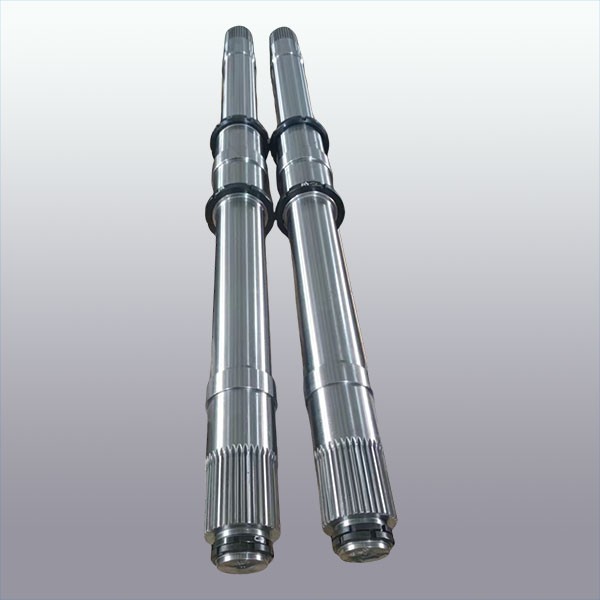

Another important factor is the lubrication. In cold water, the viscosity of the lubricant changes. It can become thicker, which might affect the smooth operation of the shafting. We need to use a lubricant that's specifically designed for cold - temperature conditions. This lubricant should be able to maintain its fluidity and provide adequate protection to the shafting components. Regular checks and changes of the lubricant are also essential to ensure optimal performance.
Now, let's talk about the design of the marine shafting. In cold - water operations, the shafting needs to be more robust. We might need to increase the diameter of the shaft to handle the additional stresses caused by the cold. A larger diameter shaft is less likely to deform under the pressure of the cold - water environment. Also, the joints and couplings need to be designed to be more flexible. This flexibility allows them to accommodate the slight contractions and expansions that occur due to temperature changes without causing damage.
When it comes to installation, it's crucial to do it right. In cold - water areas, the installation process might need to be adjusted. For example, the alignment of the shafting needs to be more precise. Even a small misalignment can lead to increased wear and tear, especially in cold conditions. We need to use proper alignment tools and techniques to ensure that the shafting is installed perfectly.
Maintenance is another key aspect. Regular inspections are a must. We need to look for signs of corrosion, wear, and any other damage. In cold - water operations, the risk of corrosion is higher due to the presence of saltwater and the low temperatures. We should also check the tightness of the connections and the condition of the lubricant. Any issues should be addressed immediately to prevent further damage.
Now, let's touch on some specific types of marine shafting that are relevant to cold - water operations. The Wind Turbine Main Shaft is an important component, especially for vessels with wind - powered systems. In cold - water areas, these shafts need to be able to withstand the harsh conditions while still transmitting power efficiently. The design and material selection for these shafts are critical to ensure their long - term performance.
The Anchor Hinge Shaft is also affected by cold - water operations. This shaft is responsible for the smooth operation of the anchor system. In cold water, the hinge mechanism can become stiff, which might affect the deployment and retrieval of the anchor. We need to ensure that the anchor hinge shaft is well - lubricated and designed to handle the cold - temperature conditions.
In addition to the technical aspects, we also need to consider the environmental impact. Using sustainable materials and lubricants is becoming increasingly important. We should look for options that are not only suitable for cold - water operations but also have a minimal impact on the environment.
As a marine shafting supplier, I've seen firsthand the importance of getting these things right. Adapting marine shafting for cold - water operations is not a one - size - fits - all solution. It requires a combination of the right materials, proper design, correct installation, and regular maintenance.
If you're in the market for marine shafting for cold - water operations, don't hesitate to reach out. We've got a wide range of high - quality products that are designed to meet your needs. Whether you're looking for a stainless steel boat shaft, a wind turbine main shaft, or an anchor hinge shaft, we've got you covered. Let's have a chat and see how we can help you with your marine shafting requirements.
References
- Marine Engineering Handbook, various editions
- Journal of Marine Technology and SNAME Transactions, multiple issues related to cold - water operations and marine shafting