

As a supplier of Stern Shafts, I understand the critical importance of safely lifting these components. Stern shafts are integral parts of marine vessels, connecting the engine to the propeller. Their proper installation and handling are essential for the vessel's performance and safety. In this blog, I will share some key guidelines on how to lift a Stern Shaft safely.
Understanding the Stern Shaft
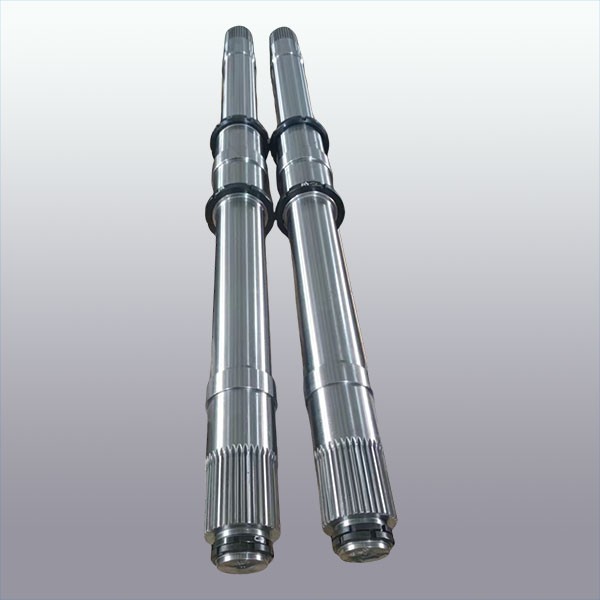
Before we delve into the lifting process, it's important to have a clear understanding of what a Stern Shaft is. A Stern Shaft, also known as a propeller shaft, is a long, cylindrical component that transmits power from the engine to the propeller. It is typically made of high-strength steel and can vary in size and weight depending on the vessel's requirements.
Pre-Lift Preparations
- Inspection: Before lifting the Stern Shaft, conduct a thorough inspection to ensure it is in good condition. Check for any signs of damage, such as cracks, dents, or corrosion. If any issues are found, address them before proceeding with the lift.
- Risk Assessment: Identify potential hazards associated with the lift, such as uneven surfaces, overhead obstacles, or unstable lifting equipment. Develop a risk mitigation plan to address these hazards.
- Lifting Equipment: Select the appropriate lifting equipment based on the weight and size of the Stern Shaft. This may include cranes, hoists, slings, or chains. Ensure that the lifting equipment is in good working condition and has been properly maintained.
- Training: Ensure that all personnel involved in the lift are properly trained and certified to operate the lifting equipment. Provide them with a detailed plan of the lift, including the lifting points, the sequence of operations, and any safety precautions.
Lifting Points
Determining the correct lifting points is crucial for a safe lift. The lifting points should be designed to distribute the weight of the Stern Shaft evenly and prevent any damage to the shaft. Here are some general guidelines for identifying lifting points:
- Manufacturer's Recommendations: Refer to the manufacturer's specifications and recommendations for the Stern Shaft. They will typically provide information on the recommended lifting points and the maximum allowable load.
- Center of Gravity: Locate the center of gravity of the Stern Shaft. The lifting points should be positioned on either side of the center of gravity to ensure a balanced lift.
- Avoid Stress Concentrations: Avoid lifting the Stern Shaft at points where there are stress concentrations, such as welds or flanges. These areas are more prone to damage during the lift.
Lifting Procedures
- Secure the Shaft: Before lifting the Stern Shaft, secure it to the lifting equipment using appropriate slings or chains. Ensure that the slings or chains are properly adjusted and tightened to prevent the shaft from slipping or shifting during the lift.
- Slow and Steady: Lift the Stern Shaft slowly and steadily to avoid sudden movements or jerks. This will help prevent damage to the shaft and the lifting equipment.
- Monitor the Lift: Continuously monitor the lift to ensure that the Stern Shaft remains balanced and stable. If any issues are detected, stop the lift immediately and address the problem.
- Clear the Area: Keep the area around the lift clear of personnel and obstacles. This will help prevent accidents and ensure the safety of everyone involved.
Post-Lift Checks
- Inspection: After the lift, conduct a thorough inspection of the Stern Shaft to ensure that it has not been damaged during the process. Check for any signs of cracks, dents, or other damage.
- Installation: If the Stern Shaft is being installed, ensure that it is properly aligned and secured in place. Follow the manufacturer's instructions for installation to ensure a proper fit and function.
- Documentation: Document the lift, including the date, time, location, lifting equipment used, and any issues or incidents that occurred. This documentation will be useful for future reference and for compliance purposes.
Additional Considerations
- Environmental Conditions: Consider the environmental conditions during the lift, such as wind, rain, or extreme temperatures. These conditions can affect the stability of the lifting equipment and the safety of the lift.
- Emergency Response: Have an emergency response plan in place in case of an accident or incident during the lift. This plan should include procedures for evacuating the area, providing first aid, and contacting emergency services.
- Maintenance: Regularly maintain the lifting equipment to ensure its continued safe operation. This includes inspecting the equipment, lubricating moving parts, and replacing worn or damaged components.
Conclusion
Lifting a Stern Shaft safely requires careful planning, proper equipment, and trained personnel. By following the guidelines outlined in this blog, you can minimize the risk of accidents and ensure the safe installation of the Stern Shaft. As a Stern Shaft supplier, I am committed to providing high-quality products and supporting our customers with their lifting and installation needs. If you have any questions or need further assistance, please do not hesitate to contact us. We are here to help you make the right decisions for your marine vessel.
In addition to Stern Shafts, we also supply Wind Turbine Main Shafts and Bronze Stern Tubes. These products are designed to meet the highest standards of quality and performance. If you are interested in learning more about our products or would like to discuss your specific requirements, please contact us. We look forward to working with you.

References
- American Society of Mechanical Engineers (ASME). (2019). ASME B30.20 - Below-the-Hook Lifting Devices.
- Occupational Safety and Health Administration (OSHA). (2019). Crane and Derrick Standard.
- Manufacturer's specifications and recommendations for Stern Shafts, Wind Turbine Main Shafts, and Bronze Stern Tubes.