

Hey there! As a supplier in the marine shafting industry, I've been keeping a close eye on how emerging technologies are set to shake things up in our field. It's an exciting time, and I'm stoked to share my thoughts on how these new tech advancements will impact the future of marine shafting.
First off, let's talk about automation. With the rise of automation in various industries, it's no surprise that it's making its way into marine shafting. Automated manufacturing processes are becoming more and more common. This means that the production of marine shafts can be more precise and efficient. For example, computer - controlled machining tools can cut and shape the shafts with a level of accuracy that's hard to achieve manually. This not only reduces the margin of error but also speeds up the production process. As a supplier, this is great news because it allows us to meet the increasing demand for high - quality marine shafts in a shorter time frame.
Another emerging technology that's going to have a huge impact is 3D printing. In the past, manufacturing marine shafts involved a lot of complex and time - consuming processes. But with 3D printing, we can create parts layer by layer, which gives us more design flexibility. We can produce custom - made marine shafts that are tailored to the specific needs of our customers. This is a game - changer, especially for those who require unique shaft designs for special marine applications. For instance, some vessels might need shafts with specific dimensions or features that are difficult to achieve with traditional manufacturing methods. 3D printing makes it possible to bring these designs to life.
The Internet of Things (IoT) is also making waves in the marine shafting industry. By equipping marine shafts with sensors, we can gather real - time data on their performance. This data can include information about temperature, vibration, and stress levels. With this data, we can monitor the health of the shafts and detect any potential issues before they turn into major problems. For example, if a sensor detects an abnormal increase in vibration, it could indicate a misalignment or a worn - out bearing. This early detection allows for timely maintenance, which can prevent costly breakdowns and extend the lifespan of the shafts.
When it comes to the materials used in marine shafting, new composite materials are emerging as a viable alternative to traditional metals. These composite materials are lighter, stronger, and more corrosion - resistant. For a marine shaft, this means better fuel efficiency, as the lighter weight reduces the overall load on the vessel's propulsion system. It also means less maintenance, as the corrosion - resistant properties ensure that the shaft can withstand the harsh marine environment for a longer time.

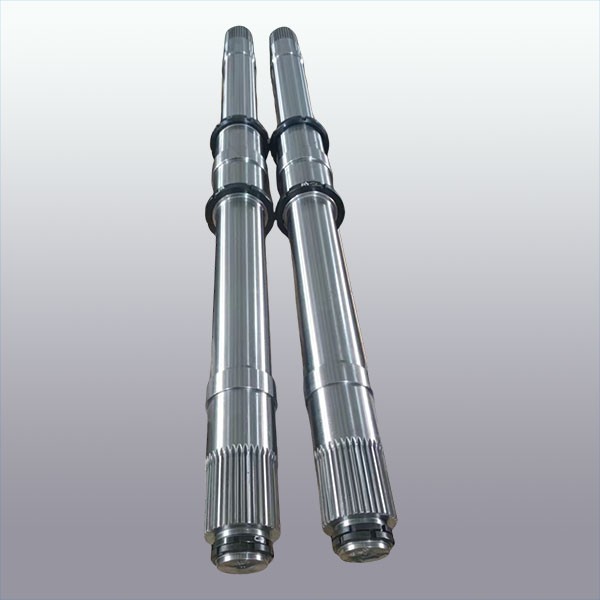
Now, let's take a look at some specific types of marine shafts and how these emerging technologies will affect them. The Wind Turbine Main Shaft is an important component in wind - powered marine vessels. With the advancements in automation and 3D printing, we can produce more efficient and reliable wind turbine main shafts. The ability to create complex designs with 3D printing can optimize the shaft's performance, while automation ensures consistent quality.
The propeller shaft is another crucial part of a vessel's propulsion system. IoT sensors can be installed on propeller shafts to monitor their performance in real - time. This can help in adjusting the propeller's operation for maximum efficiency. For example, if the sensor detects that the shaft is under too much stress, the vessel's control system can adjust the speed or the pitch of the propeller to reduce the load.
The Bronze Stern Tubes are used to support the propeller shaft. New composite materials can be used to make these tubes more durable and corrosion - resistant. 3D printing can also be used to create custom - shaped bronze stern tubes that fit perfectly with the vessel's design.
In addition to these technological advancements, environmental concerns are also driving changes in the marine shafting industry. There is a growing demand for more sustainable and eco - friendly solutions. New manufacturing processes that reduce waste and energy consumption are being developed. For example, some 3D printing technologies use less material compared to traditional manufacturing methods, which helps in reducing waste.
As a marine shafting supplier, I'm really excited about these emerging technologies. They offer us new opportunities to improve our products and services. We can provide our customers with higher - quality, more efficient, and more sustainable marine shafts.
If you're in the market for marine shafting products, whether it's a wind turbine main shaft, a propeller shaft, or bronze stern tubes, we'd love to have a chat with you. We're always happy to discuss your specific needs and see how we can help you find the best solutions for your marine applications. Reach out to us to start a conversation about your procurement needs.
References
- "Marine Engineering Handbook" by C.B. Barrass
- "Advanced Manufacturing Technologies in the Marine Industry" - Journal of Marine Technology and Innovation
- "The Internet of Things in Marine Applications" - International Journal of Maritime Research