

As a dedicated supplier in the marine shafting industry, I've witnessed firsthand the critical role that seals play in the smooth and efficient operation of marine shafting systems. In this blog, I'll delve into the various functions of seals in marine shafting, shedding light on their importance and how they contribute to the overall performance and longevity of these systems.
1. Preventing Leakage
One of the primary functions of seals in marine shafting is to prevent the leakage of fluids. In a marine environment, there are two main types of fluids that need to be contained: lubricating oil and seawater.
- Lubricating Oil: Marine shafting systems rely on lubricating oil to reduce friction between moving parts, such as bearings and couplings. Seals are designed to keep this oil within the system, ensuring proper lubrication and preventing premature wear and tear. Without effective seals, the oil could leak out, leading to a loss of lubrication and potentially causing serious damage to the shafting components. For example, in a Stern Shaft, the seals around the bearings are crucial for maintaining the integrity of the lubrication system.
- Seawater: On the other hand, seals also serve to keep seawater out of the shafting system. Seawater is highly corrosive and can cause significant damage to the internal components of the shafting if it enters. By creating a barrier between the shaft and the surrounding seawater, seals protect the shafting from corrosion and rust, extending its service life. This is particularly important for shafts that are directly exposed to the marine environment, such as the Anchor Hinge Shaft.
2. Protecting Against Contaminants
In addition to preventing fluid leakage, seals in marine shafting also act as a barrier against contaminants. The marine environment is filled with various contaminants, such as sand, dirt, and debris, which can enter the shafting system and cause damage.
- Abrasive Particles: Sand and dirt particles can act as abrasives, wearing down the surfaces of the shaft and bearings. Seals prevent these particles from entering the system, reducing the risk of abrasion and extending the lifespan of the components. For instance, in a Wind Turbine Main Shaft, which is often exposed to harsh marine conditions, seals play a vital role in protecting the internal components from abrasive contaminants.
- Biological Contaminants: The marine environment is also home to a variety of biological organisms, such as barnacles and algae. These organisms can attach themselves to the shaft and cause blockages or damage to the seals. Seals are designed to resist the growth of these biological contaminants, ensuring the smooth operation of the shafting system.
3. Maintaining Pressure and Temperature
Seals in marine shafting also help to maintain the proper pressure and temperature within the system.
- Pressure Regulation: In some marine shafting applications, such as those found in high - speed vessels, there may be significant pressure differentials between the inside and outside of the shafting system. Seals are designed to withstand these pressure differentials and prevent any loss of pressure within the system. This is important for the proper functioning of the shafting components, as changes in pressure can affect their performance.
- Temperature Control: The marine environment can subject the shafting system to a wide range of temperatures. Seals are made from materials that can withstand these temperature variations and maintain their sealing properties. They help to keep the lubricating oil at the appropriate temperature, ensuring its effectiveness and preventing thermal damage to the shafting components.
4. Ensuring System Stability and Performance
By performing the functions mentioned above, seals contribute to the overall stability and performance of the marine shafting system.
- Reduced Vibration and Noise: Properly functioning seals help to reduce vibration and noise in the shafting system. When seals prevent fluid leakage and contaminants from entering, the moving parts can operate more smoothly, resulting in less vibration and noise. This is not only beneficial for the comfort of the crew but also for the overall efficiency of the vessel.
- Enhanced Efficiency: Seals that maintain the integrity of the lubrication system and prevent the entry of contaminants allow the shafting components to operate with minimal friction. This leads to improved efficiency, as less energy is wasted in overcoming friction. As a result, the vessel can operate more economically, consuming less fuel and reducing its environmental impact.
5. Different Types of Seals and Their Specific Functions
There are several types of seals used in marine shafting, each with its own specific functions and applications.
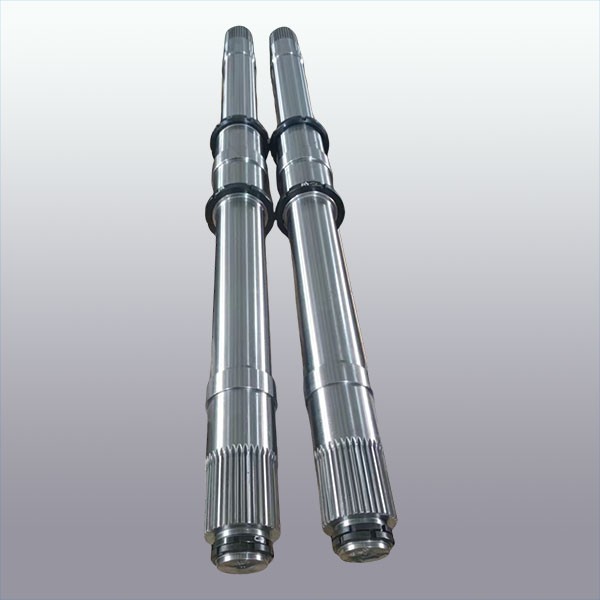

- Mechanical Seals: Mechanical seals are commonly used in high - pressure and high - speed applications. They consist of two flat surfaces that are held together under pressure to create a seal. Mechanical seals are highly effective at preventing fluid leakage and are often used in the stern tube of a vessel to seal the propeller shaft.
- Lip Seals: Lip seals are simple and cost - effective seals that are used to prevent the leakage of lubricating oil and the entry of contaminants. They have a flexible lip that contacts the shaft surface to create a seal. Lip seals are commonly used in smaller marine shafting applications, such as in auxiliary equipment.
- O - Rings: O - rings are circular seals that are made from elastomeric materials. They are used to seal joints and prevent the leakage of fluids. O - rings are widely used in marine shafting systems, especially in hydraulic and pneumatic applications.
Why Choose Our Marine Shafting Seals
As a trusted supplier of marine shafting, we understand the importance of high - quality seals. Our seals are manufactured using the latest technology and the highest quality materials, ensuring optimal performance and durability.
- Customization: We offer customized seal solutions to meet the specific requirements of our customers. Whether you need a seal for a unique shafting design or a special application, our team of experts can work with you to develop the perfect seal.
- Quality Assurance: All our seals undergo rigorous quality testing to ensure that they meet or exceed industry standards. We are committed to providing our customers with products that are reliable and long - lasting.
- Technical Support: Our team of experienced engineers is available to provide technical support and advice. Whether you have questions about seal selection, installation, or maintenance, we are here to help.
If you are in the market for high - quality marine shafting and seals, we invite you to contact us for a procurement discussion. Our team is eager to understand your needs and provide you with the best solutions for your marine shafting requirements.
References
- Johnson, R. (2018). Marine Shafting Systems: Design and Maintenance. Maritime Press.
- Smith, A. (2020). Sealing Technology in Marine Applications. Sealing Solutions Journal.
- Brown, C. (2019). The Role of Seals in Marine Machinery. Marine Engineering Review.