

A marine coupling is a crucial component in the propulsion system of a vessel, responsible for transmitting power from the engine to the propeller shaft. Proper alignment of a marine coupling is essential to ensure the efficient and reliable operation of the entire propulsion system. In this blog, as a marine coupling supplier, I will delve into the alignment requirements for a marine coupling and explain why they are so important.

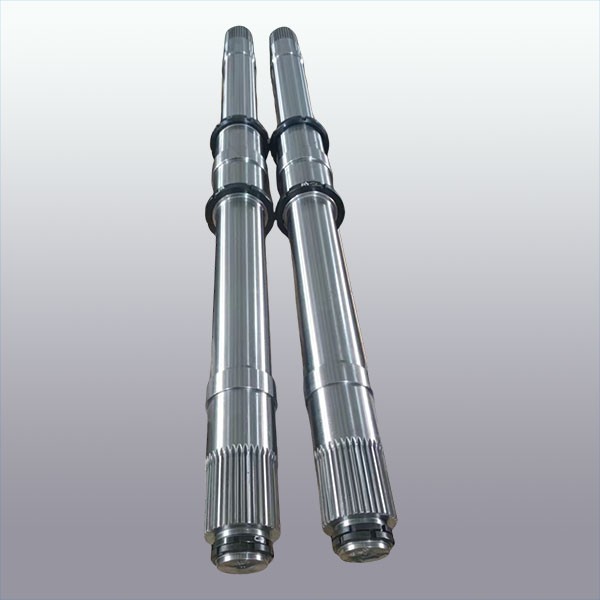
Understanding the Basics of Marine Coupling Alignment
Marine coupling alignment refers to the precise positioning of the driving and driven shafts connected by the coupling. When the shafts are misaligned, it can lead to a variety of problems, including excessive vibration, increased wear and tear on the coupling and other components, reduced efficiency, and even premature failure of the coupling or the entire propulsion system.
There are two main types of misalignment that need to be considered when aligning a marine coupling: angular misalignment and parallel misalignment. Angular misalignment occurs when the axes of the two shafts intersect at an angle, while parallel misalignment happens when the axes of the shafts are parallel but offset from each other.
Alignment Requirements for Angular Misalignment
The angular misalignment requirement for a marine coupling is typically specified by the coupling manufacturer. In general, the allowable angular misalignment is relatively small, usually in the range of a few degrees or less. This is because even a small amount of angular misalignment can cause significant stress on the coupling and the shafts, leading to premature wear and failure.
To ensure proper angular alignment, it is important to use precise measurement tools and techniques. One common method is to use a dial indicator to measure the angular displacement between the two shafts at different points along the coupling. This allows for accurate adjustment of the shafts to minimize angular misalignment.
Alignment Requirements for Parallel Misalignment
Parallel misalignment is also a critical factor in marine coupling alignment. Similar to angular misalignment, the allowable parallel misalignment is usually very small, often on the order of a few thousandths of an inch or less. Excessive parallel misalignment can cause uneven loading on the coupling, leading to increased stress and potential damage.
To achieve proper parallel alignment, it is necessary to use shims or other adjustment methods to move the shafts into the correct position. Laser alignment systems are often used in modern marine applications to provide highly accurate measurements and facilitate precise adjustment of the shafts.
Factors Affecting Marine Coupling Alignment
Several factors can affect the alignment of a marine coupling, including:
- Installation Errors: Incorrect installation of the coupling or the shafts can lead to misalignment. It is important to follow the manufacturer's installation instructions carefully to ensure proper alignment.
- Thermal Expansion: Temperature changes can cause the shafts and the coupling to expand or contract, leading to misalignment. This is particularly important in marine applications where the temperature can vary significantly between the engine room and the outside environment.
- Vibration and Shock: Vibration and shock from the engine, propeller, or other sources can cause the shafts to move and become misaligned over time. Proper mounting and isolation techniques can help reduce the effects of vibration and shock on the coupling alignment.
- Wear and Tear: Normal wear and tear on the coupling and the shafts can also lead to misalignment. Regular inspection and maintenance of the coupling and the shafts are essential to detect and correct any misalignment before it causes serious problems.
Importance of Proper Marine Coupling Alignment
Proper alignment of a marine coupling is essential for several reasons:
- Improved Efficiency: When the coupling is properly aligned, power transmission from the engine to the propeller shaft is more efficient, resulting in lower fuel consumption and reduced operating costs.
- Reduced Vibration and Noise: Misaligned couplings can cause excessive vibration and noise, which can be uncomfortable for the crew and passengers and can also damage other components of the vessel. Proper alignment helps to minimize vibration and noise levels.
- Extended Service Life: By reducing stress and wear on the coupling and the shafts, proper alignment can significantly extend the service life of the coupling and the entire propulsion system.
- Enhanced Safety: A well-aligned coupling is less likely to fail, reducing the risk of unexpected breakdowns and potential safety hazards.
Related Products in Marine Shafting
In addition to marine couplings, there are other important components in the marine shafting system. For example, the Wind Turbine Main Shaft plays a crucial role in wind turbine applications, transmitting the rotational energy from the blades to the generator. The Rudder Stock is another important component, providing the support and movement for the rudder, which is essential for steering the vessel. And the Stainless Steel Boat Shaft is widely used in boats and other small vessels, offering corrosion resistance and high strength.
Contact Us for Marine Coupling Procurement
As a professional marine coupling supplier, we have a wide range of high-quality marine couplings to meet the diverse needs of our customers. Our couplings are designed and manufactured to the highest standards, ensuring reliable performance and long service life.
If you are in the market for a marine coupling or need more information about coupling alignment requirements, please do not hesitate to contact us. Our experienced team of engineers and sales representatives will be happy to assist you with your procurement needs and provide you with the best solutions for your marine applications.
References
- "Marine Propulsion Systems: Design, Operation, and Maintenance" by John Carlton
- "Mechanical Engineering Design" by Joseph E. Shigley and Charles R. Mischke