

As a supplier of stern shafts, I've had my fair share of interactions with clients who are curious about the ins and outs of these crucial marine components. A stern shaft, for those who aren't too familiar, is a key part of a ship's propulsion system. It's the shaft that connects the ship's engine to the propeller, which directly affects the vessel's movement. So, what exactly goes into the design principle of a stern shaft? Let's dive in!
Structural Integrity and Material Selection
First off, we need to talk about structural integrity, which is like the foundation of a good stern shaft design. The shaft has to withstand some serious forces - from the torque generated by the engine to the thrust from the propeller. It's also constantly exposed to the harsh marine environment, with saltwater corrosion and mechanical wear being major issues.
That's why material selection is super important. We usually go for high - strength alloy steels because they can handle the stress and resist corrosion. For example, some shafts are made from 4140 or 4340 alloy steels, which have great mechanical properties. These steels can be heat - treated to enhance their hardness and toughness, ensuring that the shaft won't break down easily under the demanding conditions of the ocean.
Load Distribution
The next big thing in stern shaft design is load distribution. The shaft has to transfer the power from the engine to the propeller efficiently, but it also has to do it in a way that doesn't cause excessive stress on any single part. If the load is concentrated in one area, it can lead to premature wear and even failure.
To achieve even load distribution, we use a few different techniques. One is to carefully design the shape of the shaft. We often use a stepped design, where the diameter of the shaft varies along its length. This helps to distribute the torque more evenly, reducing the risk of stress fractures.
Another important component in load distribution is the coupling. The coupling connects the stern shaft to the engine and the propeller. A well - designed coupling can help to transfer the load smoothly, absorbing any shocks or vibrations that might occur during operation.
Alignment and Bearings
Proper alignment is crucial for the performance and longevity of a stern shaft. If the shaft isn't aligned correctly, it can cause excessive wear on the bearings, lead to vibrations, and even damage the engine and the propeller.
We use precise alignment tools to make sure the stern shaft is perfectly in line with the engine and the propeller. This might involve using laser alignment systems or optical alignment tools to get the most accurate results.
When it comes to bearings, they play a vital role in supporting the stern shaft and reducing friction. There are different types of bearings used in stern shafts, such as journal bearings and thrust bearings. Journal bearings support the radial load, while thrust bearings handle the axial load.
The choice of bearings depends on various factors, like the size of the ship, the power of the engine, and the operating conditions. For example, in high - speed vessels, we might use more advanced bearing materials that can handle the increased stress and heat.
Sealing and Lubrication
Sealing and lubrication are also essential aspects of stern shaft design. The shaft needs to be properly sealed to prevent water from entering the ship's interior and to keep the lubricant inside. A good seal helps to protect the shaft and the bearings from corrosion and damage caused by water ingress.
We use high - quality seals made from materials like rubber or synthetic polymers. These seals are designed to be durable and flexible, able to withstand the movement and vibrations of the shaft.
Lubrication is also key to reducing friction and wear. The bearings and the shaft surfaces need to be properly lubricated to ensure smooth operation. We usually use oil - based lubricants, which provide good protection and can also help to dissipate heat.
Compatibility with Other Components
A stern shaft doesn't work in isolation. It needs to be compatible with other components in the ship's propulsion system. This includes the Stern Tube, the Marine Intermediate Shaft, and the engine itself.

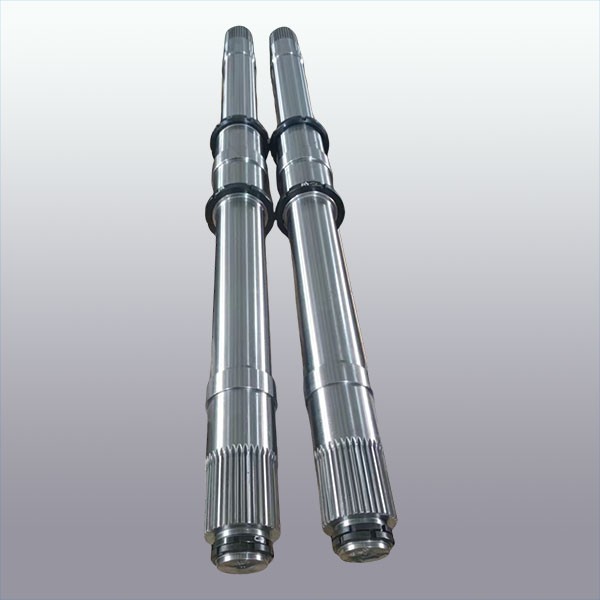
For example, the dimensions and the connection points of the stern shaft need to match those of the stern tube. The stern tube provides support and protection for the shaft as it passes through the ship's hull. If the shaft and the stern tube aren't compatible, it can lead to problems like misalignment and leakage.
Similarly, the stern shaft needs to be compatible with the marine intermediate shaft, which connects the stern shaft to the engine. The design of these components needs to be coordinated to ensure efficient power transfer.
Design for Maintenance
Finally, we always keep maintenance in mind when designing a stern shaft. A well - designed shaft should be easy to inspect, repair, and replace. This means providing access points for maintenance personnel to check the shaft and the bearings, and designing the shaft in a way that allows for easy removal and installation.
We also use materials and coatings that are resistant to wear and corrosion, which can extend the lifespan of the shaft and reduce the frequency of maintenance.
In conclusion, the design principle of a stern shaft is a complex process that involves considering many factors, from structural integrity and load distribution to alignment, sealing, and compatibility. As a supplier, we strive to create stern shafts that meet the highest standards of quality and performance.
If you're in the market for a high - quality stern shaft or other related components like Wind Turbine Main Shaft, we're here to help. Whether you're building a new vessel or looking to replace an old shaft, we can provide the right solutions for your needs. Feel free to reach out to us to start a conversation about your requirements and how we can assist you.
References
- "Marine Propulsion Systems" - A comprehensive guide on the design and operation of ship propulsion components.
- "Materials for Marine Applications" - A research paper on the selection of materials for marine shafts and related parts.