

Hey there! As a screw supplier, I've been in the business for quite a while, and I often get asked about different parts of a screw. One question that pops up a lot is, "What is the head of a screw?" Well, let's dive right into it.
The head of a screw is the top part of the screw, and it's not just there for show. It serves several important functions. First off, it provides a surface for a tool, like a screwdriver or a wrench, to grip onto so that you can turn the screw. Without a proper head, it would be nearly impossible to install or remove a screw.
There are many different types of screw heads, each designed for specific applications. One of the most common types is the flat head. A flat - head screw has a flat, countersunk top. This means that when you drive it into a surface, the head sits flush with the material. It's great for applications where you don't want the screw head to stick out, like in furniture or cabinetry. For example, when you're assembling a wooden bookshelf, flat - head screws can give it a clean, smooth look.
Another popular type is the Phillips head. You've probably seen these before. They have a cross - shaped recess in the head. Phillips head screws are easy to drive in because the screwdriver fits snugly into the recess. They're widely used in electronics, appliances, and automotive applications. The reason they're so common is that they're self - centering, which means the screwdriver is less likely to slip out of the head while you're turning the screw.
Then there's the slotted head. It's one of the oldest and simplest types of screw heads. It has a single straight slot across the top. Slotted head screws were once extremely common, but they've become less so in recent years because they're more prone to slippage compared to Phillips or other types. However, they're still used in some low - torque applications, like in small toys or some simple DIY projects.
Hexagonal heads are also quite common, especially in industrial settings. A hex head screw has a six - sided shape on the top. You use a hex wrench or a socket to turn these screws. They can handle high torque, which makes them ideal for heavy - duty applications, such as in machinery or construction.
Now, let's talk about the manufacturing process related to screw heads. When we're making screws, the head is formed during the cold - heading process. This involves taking a piece of wire and using a machine to shape the head. After the basic shape is formed, the screw might go through additional processes, like heat treatment.
If you're interested in the heat treatment of screws, especially for enhancing the properties of the screw head, you might want to check out the Induction Quenching Machine Tool. This tool can be used to harden the screw head, making it more durable and resistant to wear and tear.
The choice of screw head also depends on the aesthetic requirements of the project. For instance, if you're building a piece of modern furniture with a minimalist design, you might choose a flat - head or a pan - head screw. A pan - head screw has a rounded top with a flat underside. It gives a more decorative look compared to some other types of heads.
In addition to the shape, the size of the screw head is also important. The diameter of the head relative to the shaft of the screw can affect how well the screw holds the material together. A larger head can distribute the load over a wider area, which is useful when you're fastening soft materials. On the other hand, a smaller head might be more appropriate for applications where space is limited.
When it comes to corrosion resistance, the head of the screw is just as important as the rest of it. We offer screws with different surface treatments, like zinc plating or stainless - steel finishes, to protect the head from rust and corrosion. This is crucial, especially for screws that will be exposed to the elements or in a corrosive environment, such as in outdoor structures or marine applications.
As a screw supplier, I understand that choosing the right screw head is essential for the success of any project. Whether you're a professional contractor, a DIY enthusiast, or an engineer working on a large - scale project, getting the details right can make a big difference.
If you're in the market for screws, we've got a wide range of options available. We can provide you with screws of different head types, sizes, and materials to meet your specific needs. Our team of experts is always ready to help you make the right choice.
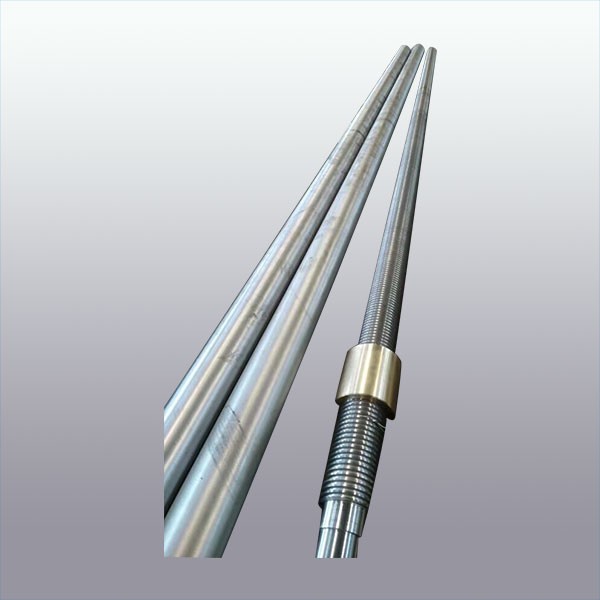
So, if you're looking for high - quality screws and need some advice on which screw head is best for your project, don't hesitate to reach out. We're here to assist you every step of the way. Whether it's a small home improvement project or a large industrial job, we've got the screws you need. Let's start a conversation about your screw requirements, and we'll work together to find the perfect solution.
References
- Machinery's Handbook, Industrial Press Inc.
- Fasteners and Fixings Handbook, McGraw - Hill Education