

A rudder stock is a crucial component in a vessel's steering system, responsible for transmitting the steering force from the steering gear to the rudder blade. When the rudder stock becomes misaligned, it can lead to a host of potential problems that compromise the safety, efficiency, and performance of the vessel. As a leading supplier of rudder stocks, we understand the importance of ensuring proper alignment and the consequences of neglecting this critical aspect. In this blog post, we will explore the potential problems associated with a misaligned rudder stock and why it's essential to address them promptly.
1. Reduced Steering Efficiency
One of the most immediate effects of a misaligned rudder stock is reduced steering efficiency. When the rudder stock is not properly aligned, the rudder blade may not move in a smooth and precise manner. This can result in a delayed response to steering commands, making it difficult for the vessel's operator to control the direction of the ship accurately. As a result, the vessel may require more time and effort to turn, increasing the risk of collisions, especially in congested waters or during emergency maneuvers.
Reduced steering efficiency also leads to increased fuel consumption. When the vessel struggles to turn, the engines must work harder to overcome the resistance, consuming more fuel in the process. Over time, this can significantly increase operating costs for the vessel owner. For example, a study by the Maritime Research Institute Netherlands found that even a slight misalignment of the rudder stock can lead to a 5 - 10% increase in fuel consumption.
2. Excessive Wear and Tear
A misaligned rudder stock can cause excessive wear and tear on various components of the steering system. The misalignment creates uneven forces on the rudder blade, bearings, and other associated parts. As the rudder moves, these uneven forces can cause the components to rub against each other, leading to premature wear.
The bearings, in particular, are highly susceptible to damage. Bearings are designed to support the rudder stock and allow it to rotate smoothly. However, when the rudder stock is misaligned, the bearings are subjected to abnormal loads, which can cause them to wear out faster. This can result in increased friction, heat generation, and ultimately, bearing failure. Once the bearings fail, the rudder stock may become unstable, further exacerbating the problem and potentially leading to a complete breakdown of the steering system.
In addition to the bearings, the rudder blade itself can also suffer from excessive wear. The misaligned rudder stock can cause the blade to vibrate and move erratically, leading to erosion and damage to the blade surface. This not only reduces the effectiveness of the rudder but also increases the risk of corrosion, as the damaged surface is more exposed to the harsh marine environment.
3. Structural Damage
Over time, a misaligned rudder stock can cause structural damage to the vessel. The uneven forces generated by the misalignment can be transmitted to the hull of the ship, causing stress concentrations in certain areas. These stress concentrations can lead to cracks and fractures in the hull structure, compromising the integrity of the vessel.
Structural damage is a serious issue that can have far - reaching consequences. In severe cases, it can lead to water ingress, which can flood the vessel and cause it to sink. Even if the damage is not severe enough to cause a sinking, it can still require costly repairs and downtime for the vessel. For example, if a crack develops in the hull due to a misaligned rudder stock, the vessel may need to be dry - docked for inspection and repair, which can take weeks or even months and cost hundreds of thousands of dollars.
4. Safety Risks
The problems associated with a misaligned rudder stock pose significant safety risks to the vessel, its crew, and any passengers on board. Reduced steering efficiency and structural damage increase the likelihood of collisions, grounding, and other maritime accidents. In an emergency situation, such as avoiding a collision or navigating through a storm, a misaligned rudder stock can make it difficult or impossible for the vessel to maneuver safely.
Moreover, the failure of the steering system due to a misaligned rudder stock can leave the vessel adrift, at the mercy of the wind and waves. This can be extremely dangerous, especially in rough seas or in areas with heavy traffic. The crew may be unable to control the vessel's movement, increasing the risk of injury or loss of life.
5. Impact on Vessel Performance
A misaligned rudder stock can also have a negative impact on the overall performance of the vessel. In addition to reduced steering efficiency and increased fuel consumption, it can affect the vessel's speed and stability. The uneven forces on the rudder can cause the vessel to yaw or roll more than normal, making it less comfortable for passengers and crew.
The vessel's speed may also be affected. The increased resistance caused by the misaligned rudder stock can slow down the vessel, reducing its operational efficiency. This can be a significant problem for commercial vessels, which rely on timely deliveries to remain competitive.
How to Avoid Misaligned Rudder Stocks
As a rudder stock supplier, we recommend regular inspection and maintenance of the steering system to prevent misalignment. During routine inspections, the alignment of the rudder stock should be checked using precision measurement tools. Any signs of misalignment should be addressed immediately to prevent further damage.
Proper installation of the rudder stock is also crucial. It should be installed by experienced technicians who follow the manufacturer's guidelines and specifications. Using high - quality components, such as Wind Turbine Main Shaft, Marine Coupling, and Stainless Steel Boat Shaft, can also help ensure the long - term reliability and performance of the steering system.
Conclusion
A misaligned rudder stock can cause a wide range of potential problems, from reduced steering efficiency and excessive wear and tear to structural damage and safety risks. As a supplier of high - quality rudder stocks, we are committed to providing our customers with the best products and support to ensure the proper functioning of their vessels' steering systems.
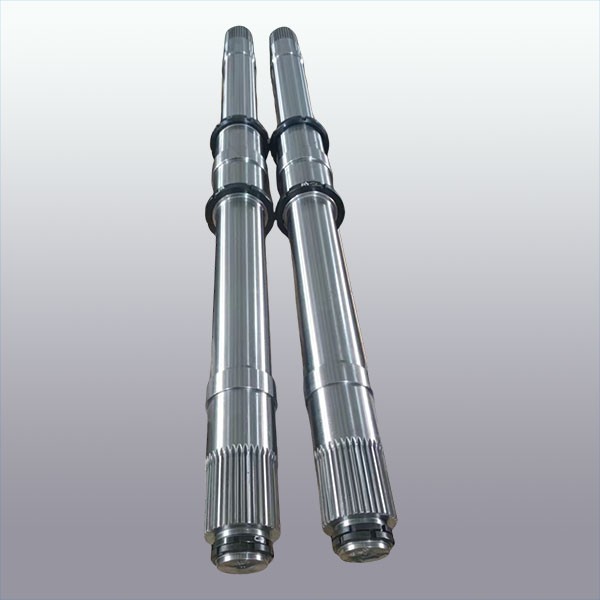

If you are experiencing any issues with your rudder stock or are interested in purchasing a new one, we encourage you to contact us for more information. Our team of experts is ready to assist you with all your rudder stock needs, from selection to installation and maintenance. Don't let a misaligned rudder stock compromise the safety and performance of your vessel. Take action today and ensure that your steering system is in top condition.
References
- Maritime Research Institute Netherlands. (Year). Impact of Rudder Misalignment on Fuel Consumption in Vessels.
- International Maritime Organization. (Year). Guidelines for the Inspection and Maintenance of Vessel Steering Systems.
- American Bureau of Shipping. (Year). Rules for the Construction and Classification of Steel Vessels - Steering Systems.