

A damaged stern tube can have far - reaching consequences for ship safety, which is a topic that demands in - depth discussion, especially for a stern tube supplier like me. In this blog, we will explore the multifaceted impact of a damaged stern tube on ship safety and why it is crucial to address such issues promptly.
Understanding the Stern Tube
The stern tube sits at the rear end of a ship and serves a vital role in the vessel's propulsion system. It provides a housing for the propeller shaft, enabling the transfer of power from the engine to the propeller. The stern tube also contains bearings that support the propeller shaft, dampening vibrations and ensuring smooth rotation. Stern Tube is designed to operate in a challenging marine environment, where it is exposed to water, high pressures, and constant mechanical stress.
Mechanical Failures and Their Impact
One of the most immediate impacts of a damaged stern tube is mechanical failure of the propeller shaft system. When the stern tube is damaged, its structural integrity is compromised. The bearings inside the stern tube may become misaligned or damaged, leading to increased friction between the shaft and bearings. This extra friction generates excessive heat, which can cause the bearings to seize. Once the bearings seize, the propeller shaft can no longer rotate freely, resulting in a loss of propulsion power. Without proper propulsion, the ship becomes uncontrollable in the water, and its ability to navigate safely is severely hampered. It may drift into dangerous areas such as shallow waters, rocky shores, or into the path of other vessels, posing a significant risk of collision or grounding.
Moreover, the misaligned shaft can also cause abnormal vibrations in the ship's hull. These vibrations are not only uncomfortable for the crew but can also lead to long - term damage to other ship components. Prolonged exposure to high - amplitude vibrations can weaken the structural integrity of the hull, potentially leading to cracks and leaks in the hull plating. If these issues are not addressed in time, they can result in water ingress, which can cause the ship to flood and eventually sink.
Leakage and Environmental Risks
A damaged stern tube can also lead to leakage problems. The stern tube is typically sealed to prevent seawater from entering the ship's interior and lubricating oil from leaking into the sea. However, when the stern tube is damaged, these seals may fail, allowing seawater to penetrate the ship. Seawater is corrosive, and once it enters the ship, it can damage various equipment and systems, including electrical components, communication devices, and hydraulic systems. This can disrupt essential ship operations, such as navigation, communication, and steering.
On the other hand, the leakage of lubricating oil from the stern tube into the sea is a serious environmental concern. Oil spills can have a devastating impact on marine ecosystems. The oil forms a thin film on the water surface, blocking sunlight from reaching marine plants. This can disrupt the food chain in the ocean, affecting fish, birds, and other marine animals. Oil spills also require extensive clean - up efforts, which are costly and time - consuming. Additionally, shipping companies may face significant legal penalties for causing environmental pollution due to oil leakage from the stern tube.
Impact on Rudder Operation
The stern tube's condition can also indirectly affect the operation of the Rudder Stock. The rudder is responsible for steering the ship, and its proper functioning is essential for ship safety. When the stern tube is damaged and the propeller shaft experiences abnormal vibrations, these vibrations can be transmitted through the ship's structure to the rudder system. Over time, this can cause wear and tear on the rudder stock and other rudder components, leading to reduced steering response and precision. A ship with impaired steering ability is more likely to be involved in an accident, as it cannot quickly and accurately change its course to avoid hazards.
Safety of the Crew
A damaged stern tube also has a direct impact on the safety of the ship's crew. In the event of a propulsion failure or steering problems due to a damaged stern tube, the crew may be required to carry out emergency repairs in challenging conditions. Repairing a damaged stern tube often involves working in confined spaces, around high - pressure and high - temperature equipment, and in the presence of potentially hazardous substances such as lubricating oil and seawater. This exposes the crew to various risks, including physical injuries, chemical exposure, and electrical hazards. Moreover, in an emergency situation, the stress and uncertainty can also have a psychological impact on the crew, affecting their decision - making abilities and response times.
Maintenance and Prevention
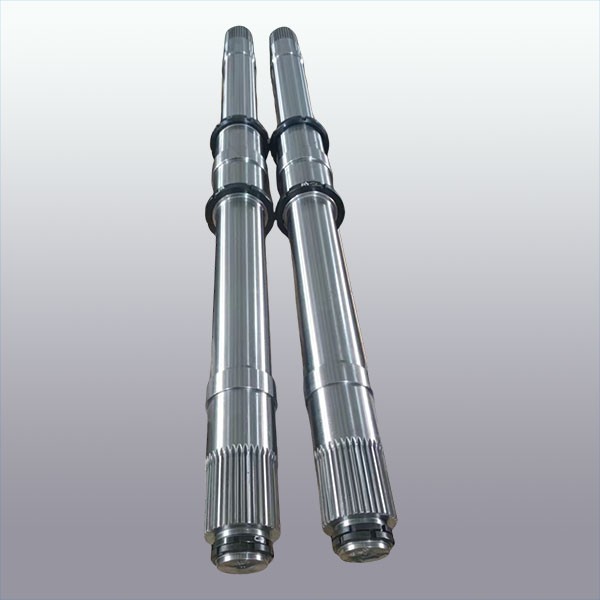
As a stern tube supplier, I understand the importance of proper maintenance and prevention. Regular inspection and maintenance of the stern tube can help detect early signs of damage, such as wear on the bearings, seal degradation, or abnormal vibrations. By replacing worn - out components and seals in a timely manner, the risk of a damaged stern tube can be significantly reduced. Additionally, using high - quality stern tube products, such as those with advanced materials and improved design, can enhance the reliability and durability of the stern tube. Our company offers high - performance Stern Tube products that are designed to withstand the harsh marine environment and provide long - term service.

Impact on Ship Efficiency and Economy
Beyond safety concerns, a damaged stern tube can also have a negative impact on ship efficiency and economy. When the stern tube is damaged, the increased friction in the propeller shaft system means that the engine has to work harder to achieve the same level of propulsion. This leads to higher fuel consumption, increasing the ship's operating costs. In addition, unexpected breakdowns due to a damaged stern tube can result in schedule disruptions, leading to lost revenue for the shipping company. Delays in cargo delivery can also damage the company's reputation in the market.
In addition to marine applications, related shafting components are also used in other industries. For example, the Wind Turbine Main Shaft in the wind energy sector has similar functions of transmitting power. Understanding the damage mechanisms and safety implications in the marine field can also provide valuable insights for improving the reliability of equipment in other industries.
Conclusion
In conclusion, a damaged stern tube poses a significant threat to ship safety from multiple perspectives, including mechanical operation, environmental protection, crew safety, and ship economy. As a stern tube supplier, I am committed to providing high - quality products and working with ship owners and operators to ensure the proper maintenance and operation of the stern tube. By taking proactive measures to prevent stern tube damage, we can enhance the safety and reliability of ships, protect the marine environment, and safeguard the well - being of the crew.
If you are interested in our stern tube products or need more information on how to maintain and prevent stern tube damage, please feel free to contact us for procurement and further discussion.
References
- Lewis, E. V. (1988). Principles of Naval Architecture. Society of Naval Architects and Marine Engineers.
- Pierson, W. J. (1997). Ocean - Waves and Ship Design. Cornell Maritime Press.
- Paulling, J. R., & Ridgely - Nelson, R. M. (1961). "On the Behavior of Ships in Rough Weather". David Taylor Model Basin Report.